




Custom AI Software Integration: Outpace Your Competitors
Executing a strategic custom AI software integration is no longer an experimental initiative; it is the definitive operational requirement to maintain market relevance and outpace aggressive competitors. Across global industries, executive boardrooms are aggressively embedding machine learning algorithms, predictive engines, and intelligent automation into their core digital platforms. Companies that delay adoption risk losing market share to competitors who operate faster, cheaper, and with surgical precision.
Enterprises leveraging artificial intelligence eliminate manual bottlenecks, predict customer churn before it happens, and automate complex workflows in real time. To maintain your competitive edge and secure your market position, integrating tailored AI capabilities directly into your software architecture is an urgent strategic priority.
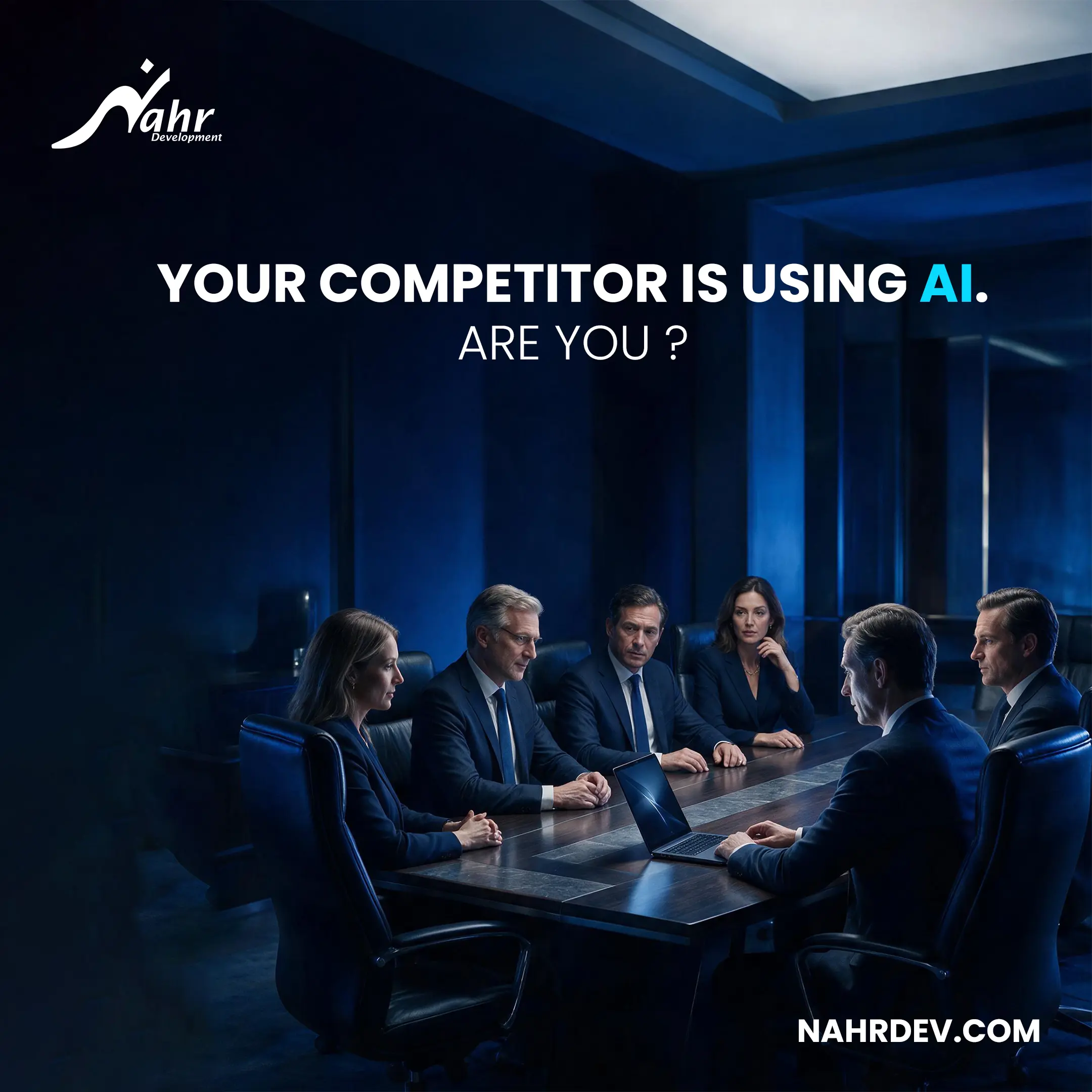
The AI Divide: How Leading Competitors Gain Unfair Market Advantage
The gap between AI-driven companies and legacy operators is widening at an unprecedented pace. As documented in Gartner enterprise AI insights, organizations that operationalize custom AI architectures achieve up to a 40% reduction in operational expenditure while dramatically elevating customer satisfaction metrics. AI enables real-time decision intelligence that traditional software simply cannot match.
High-Impact Enterprise Applications for Custom AI Integration
Modern enterprise artificial intelligence extends far beyond basic chatbots. High-value deployment domains include:
- Predictive Analytics & Demand Forecasting: Anticipating inventory requirements and revenue trends through advanced statistical modeling.
- Hyper-Personalized Recommendation Engines: Dynamically serving tailored product recommendations to maximize conversion rates.
- Intelligent Document Processing (IDP): Extracting structured intelligence from thousands of invoices and contracts in sub-seconds.
- Autonomous Customer Agents: Providing contextual, multi-lingual client resolution 24/7 with zero human intervention.
Data Privacy and Compliance: Deploying Enterprise AI Securely
For executive stakeholders, safeguarding proprietary business data and trade secrets is paramount. Integrating enterprise AI must adhere to the NIST AI Risk Management Framework. Professional software teams deploy private, containerized AI models in isolated virtual private clouds (VPCs), guaranteeing that sensitive corporate data is never exposed to third-party public models.
Proprietary Custom AI Models vs. Generic Public LLM Tools
Public off-the-shelf AI tools provide generic responses that lack domain specificity. A bespoke custom AI software integration fine-tunes models on your proprietary datasets, internal business rules, and industry vocabulary. This tailored approach delivers unmatched precision, eliminates model hallucinations, and creates a defensible digital asset for your organization.
Strategic Blueprint: How to Modernize Legacy Systems with AI
Modernizing legacy software does not require an expensive rip-and-replace approach. Top software engineers utilize microservice layers and dedicated API wrappers to ingest legacy data, process it through machine learning pipelines, and output actionable intelligence directly into existing employee workflows with zero downtime.
Technical Matrix: AI-Driven Software vs. Traditional Legacy Systems
| Operational Benchmark | Traditional Legacy Software | Custom AI Software Integration (Nahr) |
|---|---|---|
| Decision-Making Speed | Manual, delayed reporting taking days or weeks | Instantaneous, automated predictive insights |
| Operational Scalability | Requires hiring more staff as volume grows | Elastic AI agents handling infinite transactional loads |
| User Experience | Static, one-size-fits-all navigation and interfaces | Dynamic real-time personalization tailored per user |
| Data Asset Utilization | Passive data storage with unmined value | Continuous learning algorithms driving direct revenue |
Nahr Development: Architecting Intelligent and Secure AI Platforms
At Nahr Development, we architect cutting-edge artificial intelligence systems designed to protect your data and maximize your competitive advantage. We empower visionary leaders to transform static software into dynamic, self-optimizing platforms that drive sustained market dominance.
We integrate intelligent AI capabilities across all our engineering verticals—from building AI-enhanced retail engines via our specialized e-commerce store development division to engineering intelligent mobile experiences through our dedicated mobile app development teams.
Frequently Asked Questions About Custom AI Software Integration
Does implementing custom AI software require replacing our existing databases?
No. Modern AI architectures use secure data connectors and vector databases to query and process data directly from your existing SQL, NoSQL, or cloud storage systems without data migration risks.
How can we ensure our corporate intellectual property remains private with AI?
By deploying dedicated, self-hosted open-weights models (such as LLaMA or Mistral) within private VPCs, enforcing strict zero-retention policies, and encrypting all data in transit and at rest.
What is the typical timeframe to deploy a custom enterprise AI integration?
A structured Proof of Concept (PoC) is typically delivered within 4 to 6 weeks, followed by phased enterprise deployment into production environments within 8 to 12 weeks.
Conclusion: Lead the AI Revolution Before Competitors Outpace You
The enterprise landscape is transforming rapidly. Incorporating a resilient custom AI software integration into your platform is the definitive step to ensure your business remains agile, highly profitable, and ahead of the competition.
Are you ready to equip your organization with enterprise-grade artificial intelligence? Connect with the senior AI architects at Nahr Development today to design a secure, high-impact AI strategy tailored to your business goals.