




Turn Idea Into Software Product: A Step-by-Step Guide
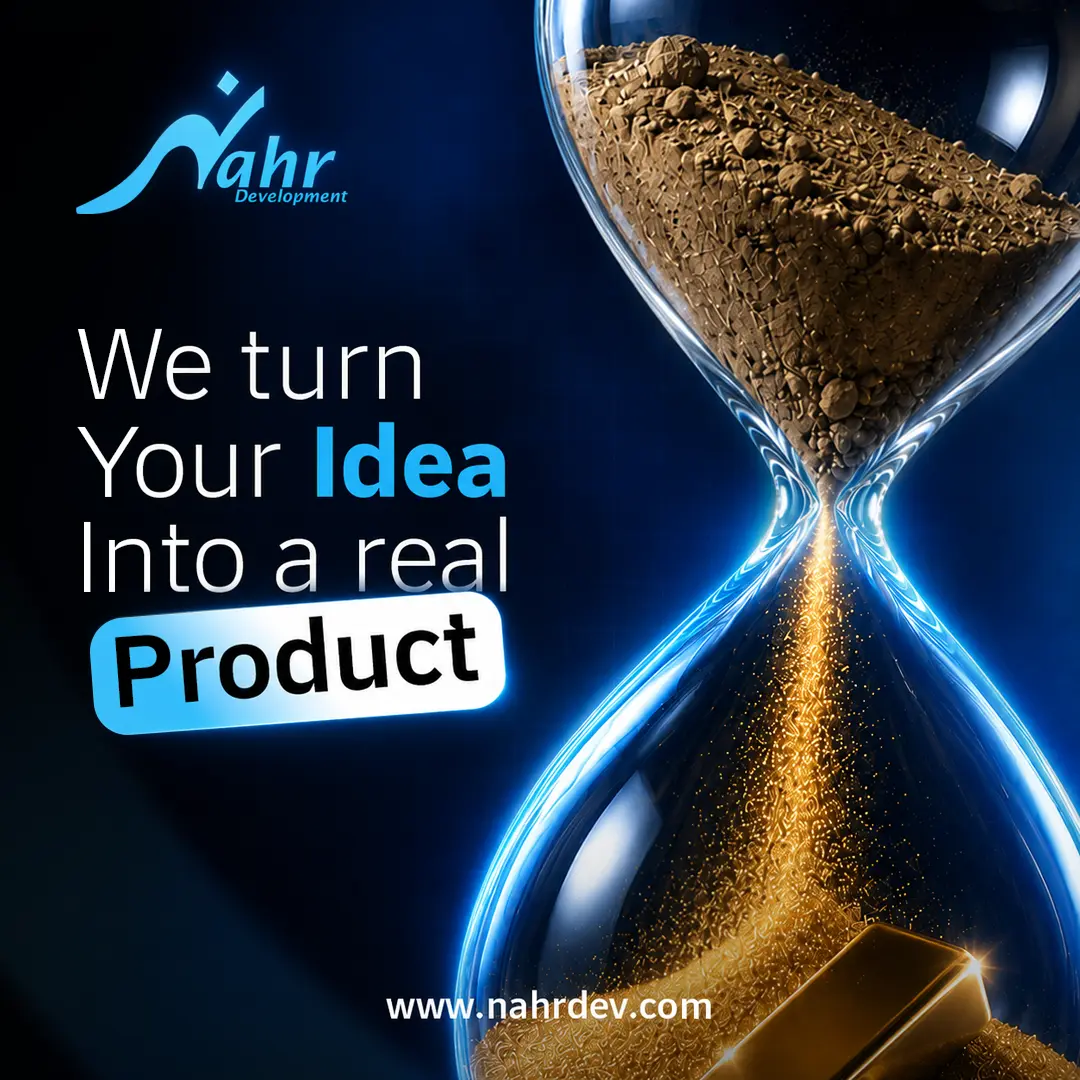
Learning how to turn idea into software product is the single most critical transition for ambitious founders, enterprise innovators, and technology investors. Every game-changing digital enterprise begins as an unrefined concept—much like raw sand in an hourglass. However, without systematic engineering, strategic UX design, and robust cloud architecture, even the most revolutionary ideas fail to monetize and achieve commercial traction.
Transforming abstract visions into profitable, revenue-generating software assets requires following proven product development lifecycle standards. By navigating the journey from product discovery to scalable architecture, you protect your capital and build digital assets that dominate market categories.
Phase 1: Product Discovery and Technical Feasibility Analysis
Before writing a single line of code, world-class product teams conduct an exhaustive Discovery Phase. This involves unpacking user personas, mapping market competitors, defining core monetization models, and drafting the Software Requirements Specification (SRS). Thorough architectural discovery eliminates expensive mid-project pivots and aligns development sprints with validated commercial objectives.
Phase 2: Minimum Viable Product (MVP) Engineering Strategy
To validate hypotheses quickly without burning development budgets, top product leaders adopt the Harvard Business Review Lean Startup methodology. Building a high-impact MVP focuses exclusively on essential value-generating features. This agile approach allows you to launch within weeks, gather real-world telemetry, and generate initial cash flow while preparing for rapid iterative scaling.
Phase 3: High-Converting UX/UI Architecture and Customer Journeys
Exceptional digital products win user retention through frictionless user experiences. Product design goes far beyond visual aesthetics; it requires crafting intuitive navigation flows, accessible user interfaces, and engaging micro-interactions. A polished UI/UX directly accelerates user adoption, elevates customer lifetime value (LTV), and slashes onboarding drop-offs.
Phase 4: Scalable Codebase and Cloud Infrastructure Development
The true enterprise valuation of any technology business is anchored in its underlying codebase. Software products must be engineered using modular clean architecture, robust database schemas, and microservice capabilities. Delivering 100% source code ownership ensures your enterprise builds a defensible, independent digital asset capable of handling millions of concurrent transactions.
Phase 5: Automated QA Verification, Security Audits, and Production Launch
Flawless execution culminates in rigorous quality assurance. Before public deployment, software products undergo automated unit testing, end-to-end integration testing, cybersecurity penetration audits, and load stress tests. A seamless production rollout ensures maximum uptime and creates an unforgettable first impression across your user base.
Product Engineering Matrix: Bespoke Product vs. Superficial Coding
| Development Benchmark | Superficial / Hasty Coding | Strategic Product Engineering (Nahr) |
|---|---|---|
| Market & Business Analysis | Zero discovery; rushing straight into blind coding | Comprehensive market feasibility and monetization roadmap |
| User Interface & Experience | Generic pre-made templates with poor retention | Custom-crafted UX/UI engineered for high conversion rates |
| Architectural Scalability | Rigid systems that crash during traffic surges | Cloud-native elastic architecture ready for infinite scale |
| Intellectual Property Assets | Unorganized code with recurring vendor dependencies | 100% full IP transfer with structured repositories |
Nahr Development: Engineering Visionary Ideas into Market Leaders
At Nahr Development, we specialize in helping visionary organizations turn idea into software product with engineering precision and commercial impact. We do not just build features; we build scalable digital businesses that capture market share and deliver outstanding return on investment.
We deploy our full-lifecycle engineering expertise across every vertical—from launching high-conversion digital platforms via our specialized e-commerce store development division to engineering award-winning mobile applications through our dedicated mobile app development teams.
Frequently Asked Questions About Software Product Development
How long does it take to turn an idea into a functional MVP product?
A structured Minimum Viable Product (MVP) typically takes between 6 to 10 weeks from initial discovery to deployment, allowing founders to enter the market swiftly and validate user demand.
How do you ensure my software idea remains confidential?
We sign a legally binding Non-Disclosure Agreement (NDA) prior to the discovery phase and ensure that all intellectual property and source code rights are contractually owned 100% by your enterprise.
What post-launch support is required for a new digital product?
Post-launch services include a formal warranty period for bug remediation, ongoing server infrastructure monitoring, and data-driven feature iterations based on real user analytics.
Conclusion: Bridge the Gap Between Concept and Commercial Dominance
Great ideas hold immense potential, but execution is what creates enduring value. When you partner with experienced software engineering architects, you transform abstract visions into scalable, revenue-generating digital gold that powers your enterprise into category leadership.
Are you ready to turn your concept into a profitable market reality? Contact the principal software architects at Nahr Development today to discuss your vision and engineer your next market-leading digital product.