



Web Design Architecture: How to Build Scalable Digital Systems Beyond the Visual Interface
Web Design Architecture does not simply mean arranging attractive components across a screen. Instead, it originates from engineering highly adaptable database structures and front-end layouts. Therefore, enterprise product teams must calculate how a digital platform handles rapid traffic spikes. Consequently, modern creators look beyond superficial graphics to prioritize structural scalability. Hence, treating site layout as an artistic phase destroys your technology investment.
In fact, the visible interface is merely the tip of your corporate digital ecosystem. While an elegant layout captures target user attention within the opening seconds, your layout code guarantees uptime. In addition, modular design simplifies the integration of advanced features as your business scales. Ultimately, weak technical mapping during the initial Web Design Architecture phase forces companies to rebuild everything from scratch later.
Hence, separating visual style from underlying database logic is a critical corporate error. Rather, high-level software development requires blending interface design with core functionality seamlessly. Furthermore, contemporary competitive markets demand incredibly fast, bulletproof online interactions. As a result, clean front-end environments turn simple pages into powerful lead-generation assets that boost market share.
The Technical Trap: Neglecting Backend Flexibility
A frequent problem facing scaling startups is owning digital products that block business growth. For instance, teams build exceptionally attractive platforms that crash completely under heavy multi-user stress. However, corporate managers often think upgrading server hosting packages resolves slow load times. Moreover, this quick temporary patch completely fails to fix structural programming bugs embedded within the layout code.
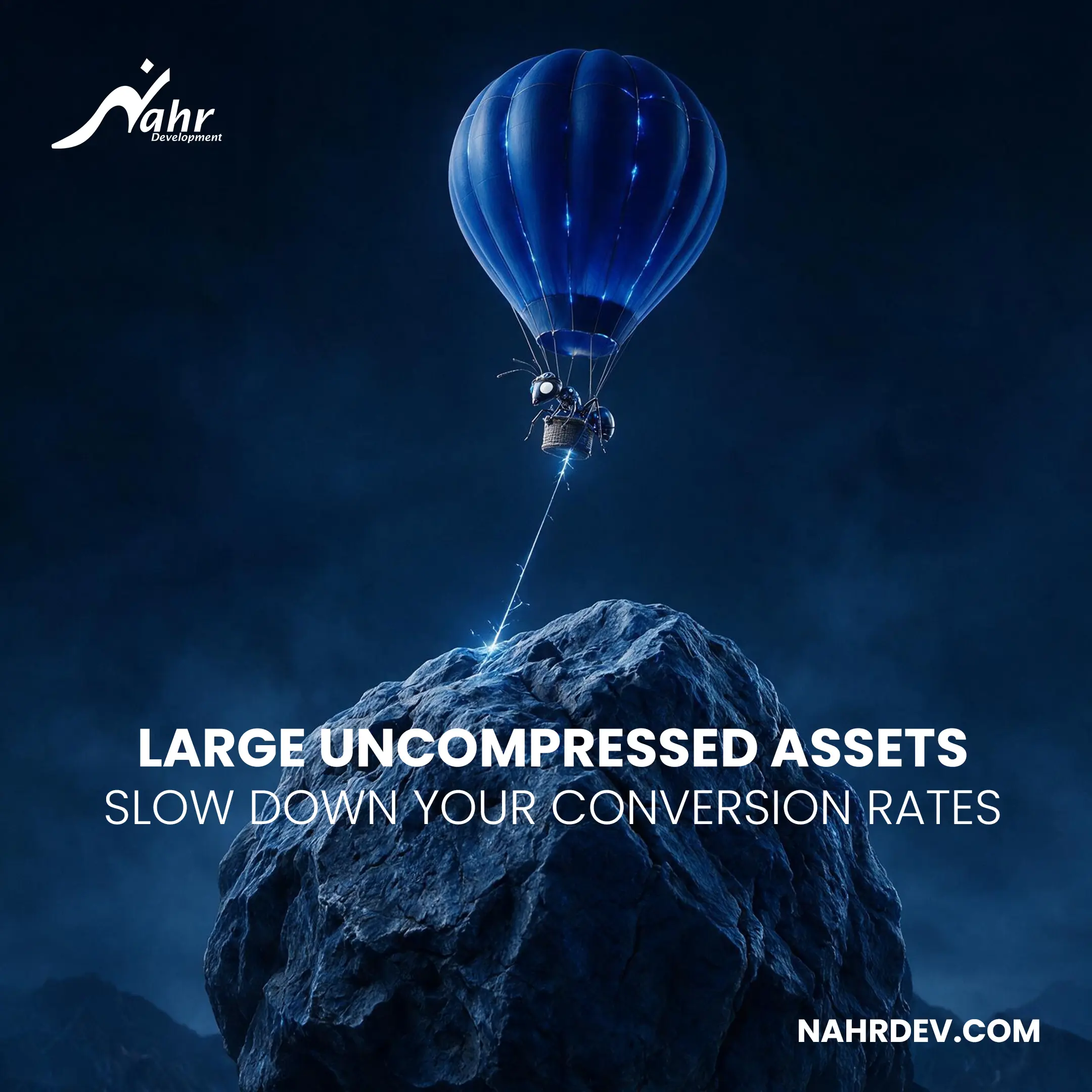
On the other hand, isolating interface designers from backend engineering teams leads to massive script bloating. Consequently, unoptimized files slow down page delivery speed, conflicting with criteria tracking on Search Engine World. As a result, customer conversion volumes drop, and platforms lose organic presence across modern search tools due to visitor frustration.
- Building complex front-end elements that drain corporate server performance.
- Prioritizing heavy animations over rapid platform loading speeds.
- Failing to plan layouts for integration with internal corporate databases.
- Neglecting complete cross-device usability across mobile smartphone ecosystems.
- Creating unorganized codebases that make future platform updates expensive.
Therefore, the true challenge is not launching online pages that look elegant today. Instead, the engineering objective is structuring a modern digital foundation that guarantees high speed and long-term business performance.
Defining Web Design Architecture for Scale
When an organization anchors premium **Web Design Architecture** as an uncompromised product strategy, it leaves basic design standards behind. Instead, the project team engineers a flexible digital framework that handles corporate growth automatically. In other words, every structural module functions independently without disturbing the main code architecture. Consequently, this calculated approach reduces future software maintenance overhead significantly.
Furthermore, scalable development relies on partitioning interface elements into independent reusable components. Then, this functional agility lets your brand roll out new enterprise services within days instead of months, matching data published by the Content Marketing Institute. For this reason, strategic technological plotting protects your capital while giving your company absolute competitive market flexibility.
The Bottom Line: How Flexible Layouts Drive ROI
Investing in structural **Web Design Architecture** shows immediate positive financial returns across your live analytics dashboards. When an enterprise client experiences rapid page navigation and seamless asset delivery, brand trust upgrades instantly. Therefore, fast layout performance eliminates buyer hesitation and reduces user exit numbers. Consequently, customer acquisition costs drop while digital marketing efficiency doubles.
For example, highly optimized software platforms map interface layouts to mirror the natural decision path of a corporate buyer. Thus, your website shifts from a static catalog into an active customer acquisition tool. Ultimately, this structural execution protects your ongoing operational pipeline and secures brand reputation during competitive market shifts.
In addition, advanced structural planning optimizes multiple digital business metrics:
- Delivering massive spikes in conversion rates across interactive service funnels.
- Lowering manual customer support requirements due to absolute layout clarity.
- Simplifying third-party api integrations with global payment and logistics providers.
- Securing premium rankings across modern ai search tools that prioritize rapid load times.
- Maximizing user lifetime value through clean, engaging, error-free platform navigation.
Technical Guidelines for Resilient Interfaces
Before writing front-end scripts, strict engineering principles must rule the layout creation. First, separation of concerns; interface presentation layers must operate independently from background data processing. Second, component reusability; utilizing unified code modules to accelerate future application scaling. Third, clean documentation; ensuring that all code structures comply with current international development protocols.
Additionally, visual design choice must balance with cloud hosting performance and database query speed. Because heavy layout execution can cause severe user fatigue, tracking load speeds is mandatory. Indeed, modern web indexers evaluate code optimization levels closely when calculating search visibility metrics. Therefore, combining visual finesses with clean script structure is the core requirement for digital market dominance.

Nahr Development Guide: Engineering Digital Systems
1) Calculating Future Scaling Limits Prior to Graphic Production
The first phase of advanced system design involves calculating future user load metrics. *Therefore*, our engineering teams evaluate peak usage scenarios to ensure layout scripts stay stable. *Consequently*, we map out digital products optimized for growth rather than building unorganized interfaces.
2) Deploying a Unified Design System for Absolute Brand Consistency
Next, we formulate a centralized design architecture containing all standard buttons, typography layouts, and spacing rules. Since corporate clients cross multiple internal web pages, visual consistency is critical. Ultimately, this system speeds up deployment when adding new sub-services.
3) Optimizing Front-End Scripts for Maximum Response Speed
This is where visual luxury integrates with clean coding standards to compress system asset weights. Because we strip out redundant scripts, core page performance elevates instantly. Thus, this step meets the strict speed demands of human buyers and AI web crawlers alike.
4) Stress-Testing Interface Stability Under Heavy Server Load
Likewise, our teams run deep performance simulation checks to track how code architectures hold up under pressure. Then, we fix layout friction across various browser types before launch. In this way, we guarantee a stable user ecosystem and remove performance bottlenecks entirely.
5) Monitoring Performance Data Post-Deployment
Finally, our operational commitment continues long after pushing your digital product to live servers. Rather, we evaluate runtime metrics to adjust script performance and boost interface delivery speeds. **When** layout design meets data, **Web Design Architecture** turns into a permanent business asset.
Technical Matrix: Static Layouts vs. Scalable Systems
- Future Scaling Cost
| Engineering Parameter | Static Traditional Layouts | Scalable Web Design Architecture |
|---|---|---|
| Core Focus | Superficial, short-term visual styling | High performance and platform longevity |
| Page Delivery Speed | Slow; caused by bloated, raw scripts | Ultra-fast; built with lightweight structures |
| Expensive; requires rebuilding from scratch | Minimal; modules are updated independently | |
| Traffic Peak Stability | Low; systems crash under pressure | High; engineered to resist enterprise load |
How Nahr Development Powers Your Digital Ecosystem
If you are seeking an enterprise-grade digital product that combines luxury visual style with flawless code stability, Nahr Development provides the complete solution. Instead of building generic websites, we engineer custom software systems optimized to handle future market changes. Consequently, your system remains stable as your market presence expands.
Through our technical division led by senior architect ui-ux-design-company-in-cairo-egypt specialist Amr Fahmy, we blend appearance with security. Whether you are launching a complex setup for mobile-app-development-company-in-egypt initiatives or building transactional layers for ecommerce-store-development, we design for performance. In addition, we back your technology with premium seo-company-in-egypt implementations, ensuring your enterprise brand stays visible to high-intent buyers globally.
Frequently Asked Questions On Site Architecture
What is the difference between visual design and Web Design Architecture?
Visual design addresses colors, interface aesthetics, and surface imagery. **Web Design Architecture**, conversely, structures how code modules interface, how layout files load, and how fast pages display, prioritizing scalability over decoration.
How does a modular interface lower long-term technical debt?
When your layout separates code into independent components, updating sections becomes straightforward. **Therefore**, developers adjust features without rewriting the core framework, reducing development hours and eliminating software crashes.
Why do generative search tools prioritize optimized layout code architectures?
Modern generative search networks measure site interactions to score content value. **Consequently**, lightweight code frameworks drop bounce rates, proving to AI engines that your platform provides reliable, accessible answers fast.
Conclusion: Future Growth Demands Structural Quality
In conclusion, premium *Web Design Architecture* is never a basic graphic task or an optional creative step; it is the core software asset that dictates digital project success. Clean layout structure acts as the vital translation tool that turns complex code configurations into productive corporate workflows. Therefore, if you want your digital system to break performance records and rule your sector, handle layout development as a strict technical requirement from the very first blueprint.
Accordingly, if you want to eliminate fragile placeholder setups and deploy conversion-focused, stable code across your digital applications, connect with Nahr Development today, and let your technology drive your market expansion.